Team LYON Secures Free Fire World Cup Victory as Indian Teams Face Reality Check
According to the Esports World Cup, Team LYON have taken the Free Fire title and the $300,000 winner’s prize after what the organiser described as a dominant Grand Finals performance.
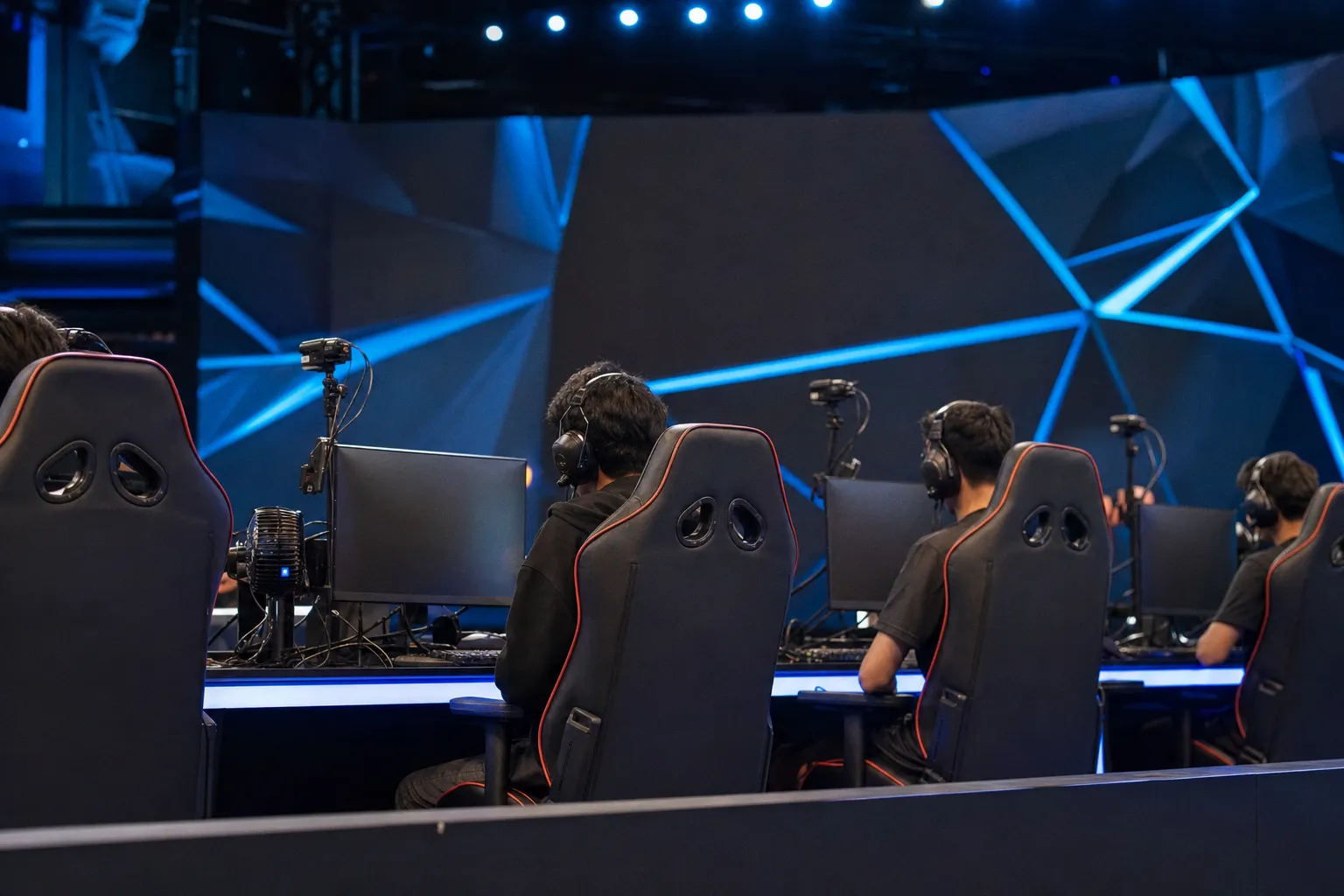
For India, the sharper line is less celebratory: S8UL Esports finished 11th. That result is a reminder that mobile esports’ top table does not hand out returns for brand scale alone.
Team LYON convert when the stakes peak
A championship is the most visible output in any esports ecosystem, but the prize figure matters too. Team LYON leave the event with $300,000, turning a Grand Finals run into a concrete financial result rather than another short-lived social-media spike.
That is the benchmark Indian Free Fire organisations have to read correctly. International events reward competitive execution at the final stage; the surrounding hype has no direct ROI if it does not translate into placement. Team LYON’s win is therefore not merely a trophy story—it is proof of where the immediate value sits in a global mobile title: teams that can deliver under the last and most expensive layer of tournament pressure.
For players and coaches, the practical takeaway is blunt. Preparation cannot stop at scrim volume or flashy mechanics. Grand Finals performance is where decision-making, composure and repeatable team structure become financially visible.
S8UL’s 11th-place finish is the Indian reality check
S8UL Esports’ 11th-place result puts India on the final standings board, but outside the championship conversation. There is no need to manufacture drama around that. It is simply the gap that has to be closed if Indian organisations want global mobile esports to become a sustainable competitive business rather than an occasional international appearance.
Conversely, an 11th-place finish is also a usable data point. It shows that the route to the Esports World Cup stage exists for an Indian roster. The next step is not louder marketing; it is building a system capable of converting qualification into late-event performance.
That distinction matters for the Indian Free Fire ecosystem. International exposure can lift a team’s profile, but profile alone does not lower the burn rate of competing globally. Results do. A roster that consistently reaches the business end of major events creates stronger leverage with partners, attracts better talent and gives its organisation a clearer case for continued investment.
The market will remember the winners—and the gap
The Esports World Cup result lands while mobile competition continues to chase global scale across several titles. Level Infinite, for example, is building a new international structure for Honor of Kings as it looks beyond the game’s dominant Chinese market. The message across mobile esports is increasingly consistent: the ecosystem is expanding, but market penetration must be backed by credible competitive pathways.
For India, Team LYON’s Free Fire win and S8UL’s 11th place should be read through that lens. The opportunity is real, yet it is not automatic. The teams that turn global appearances into sustained results will capture the upside; everyone else risks paying international-level costs for limited competitive return.
The sober forecast is simple: Team LYON have taken the trophy and the $300,000. Indian Free Fire now has a clearer measure of the standard it must reach—and no shortcut around the work required to reach it.