KRAFTON Elevates Indian Mobile Esports with New International and Domestic BGMI Circuits
According to IGN India, KRAFTON India has put two high-stakes BGMI properties on the calendar: the BGMI International Cup (BMIC) and the new BGMI Showdown (BMSD).
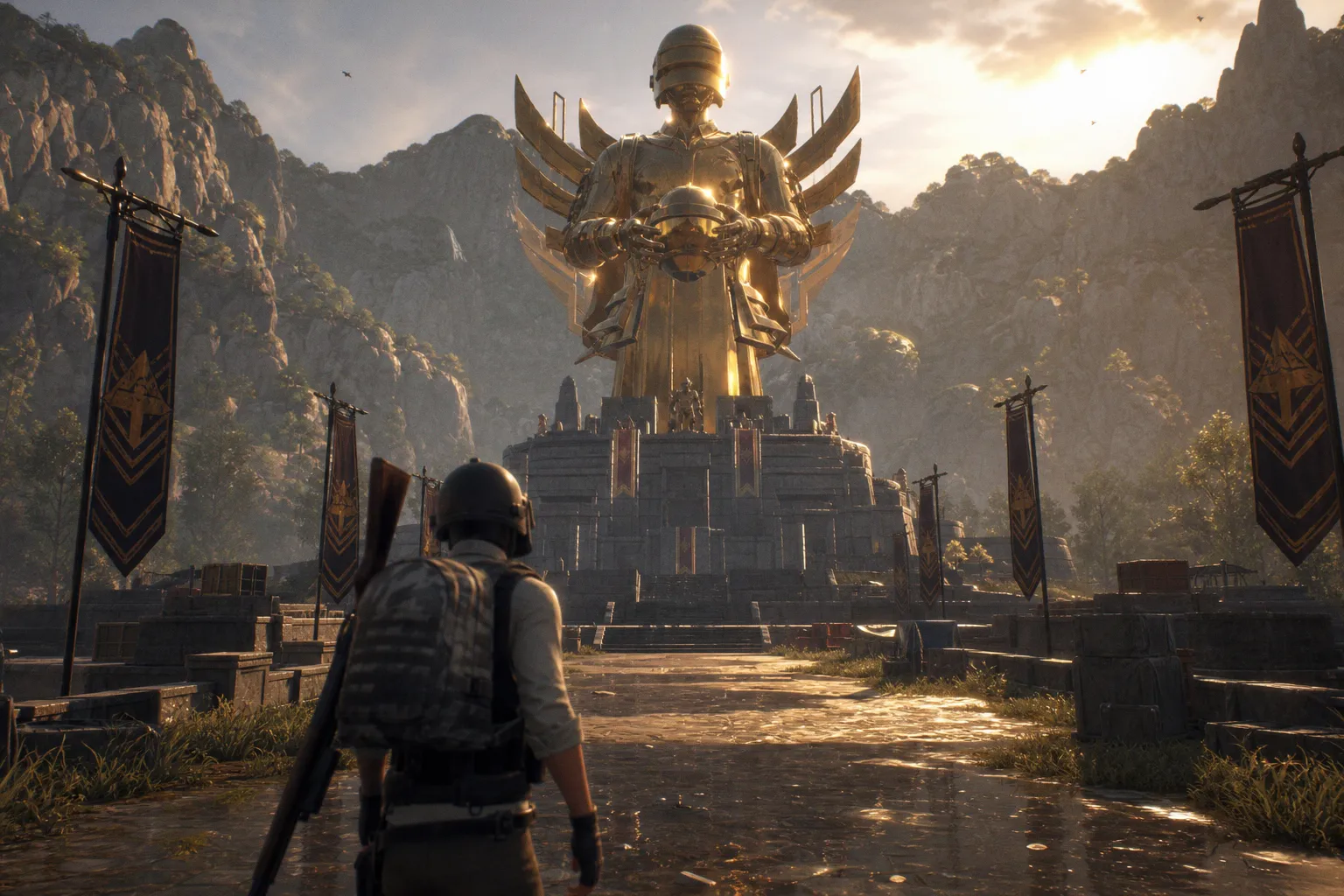
The headline is Mumbai hosting Asian competition again, but the more consequential move is structural: KRAFTON is creating separate lanes for international comparison and domestic season-long performance.
For India’s mobile-esports ecosystem, that is more useful than another one-off spectacle. BMIC tests whether Indian rosters can hold up against Korea and Japan on home soil; BMSD turns consistent results across KRAFTON’s existing circuit into a direct commercial opportunity.
Mumbai gets the international benchmark
BMIC will feature 16 teams: six from India, five from Korea and five from Japan. The tournament is scheduled for October 30 to November 1 at the Dome, Sardar Vallabhbhai Patel Indoor Stadium in Mumbai, with a ₹1 crore prize pool.
That format matters. International tournaments are often sold as a trophy hunt, but their practical value is harsher: they expose the gap between a roster built to win domestic lobbies and one able to maintain decision-making under unfamiliar macro, pressure and opponent tendencies.
Korean and Japanese teams arriving in Mumbai does not automatically transform the Indian scene. However, it gives Indian organisations, coaches and analysts a much clearer benchmark than social-media arguments or isolated scrim results. The ROI lies in what teams retain after the three days—not in the promotional photos before them.
BMSD makes the season’s results count
The BGMI Showdown takes a different route. It is an invite-only championship for 48 top-performing Indian teams, selected through the KIE leaderboard, BGIS and BMPS. Its ₹1 crore prize pool will be contested across promotion/relegation weeks, upper and lower bracket survival stages, semifinals, a Last Chance phase and LAN Grand Finals from October 16 to 18.
This is the strategically sharper announcement. A qualification model tied to multiple competitive channels rewards teams that can sustain a programme over time, rather than spike for a single qualifier. Conversely, it also raises the burn rate for organisations that rely on constant roster churn and short-term hype: players now need to deliver across a broader competitive window.
The promotion and relegation component should make BMSD especially relevant below the top tier. A team’s route is not limited to the established names, yet the path remains performance-gated. That is healthier than handing the entire premium calendar to brand recognition.
The real test is what comes after the LANs
KRAFTON India esports associate director Karan Pathak described BMIC as bringing some of Asia’s strongest teams to Mumbai, while positioning BMSD as a reward for teams that have performed consistently throughout the season. The two-event split matches that message: one tournament imports a competitive reference point; the other monetises domestic consistency.
For players, the immediate task is less glamorous. Teams aiming at BMSD need to treat leaderboard standing, BGIS and BMPS as connected assets, not separate campaigns. For organisations, October becomes a test of roster stability, preparation depth and whether coaching infrastructure can survive a packed competitive run.
Mumbai will get the marquee moment. The sober market question is whether Indian teams and their backers use it to build durable competitive systems—or simply spend harder for the next headline.