KRAFTON India Unveils 2026 BGMI Tournament Roadmap with BMSD and BMIC
TalkEsport reports that KRAFTON India has announced BMSD and BMIC 2026, putting the two BGMI properties back at the centre of the country’s mobile-esports calendar.
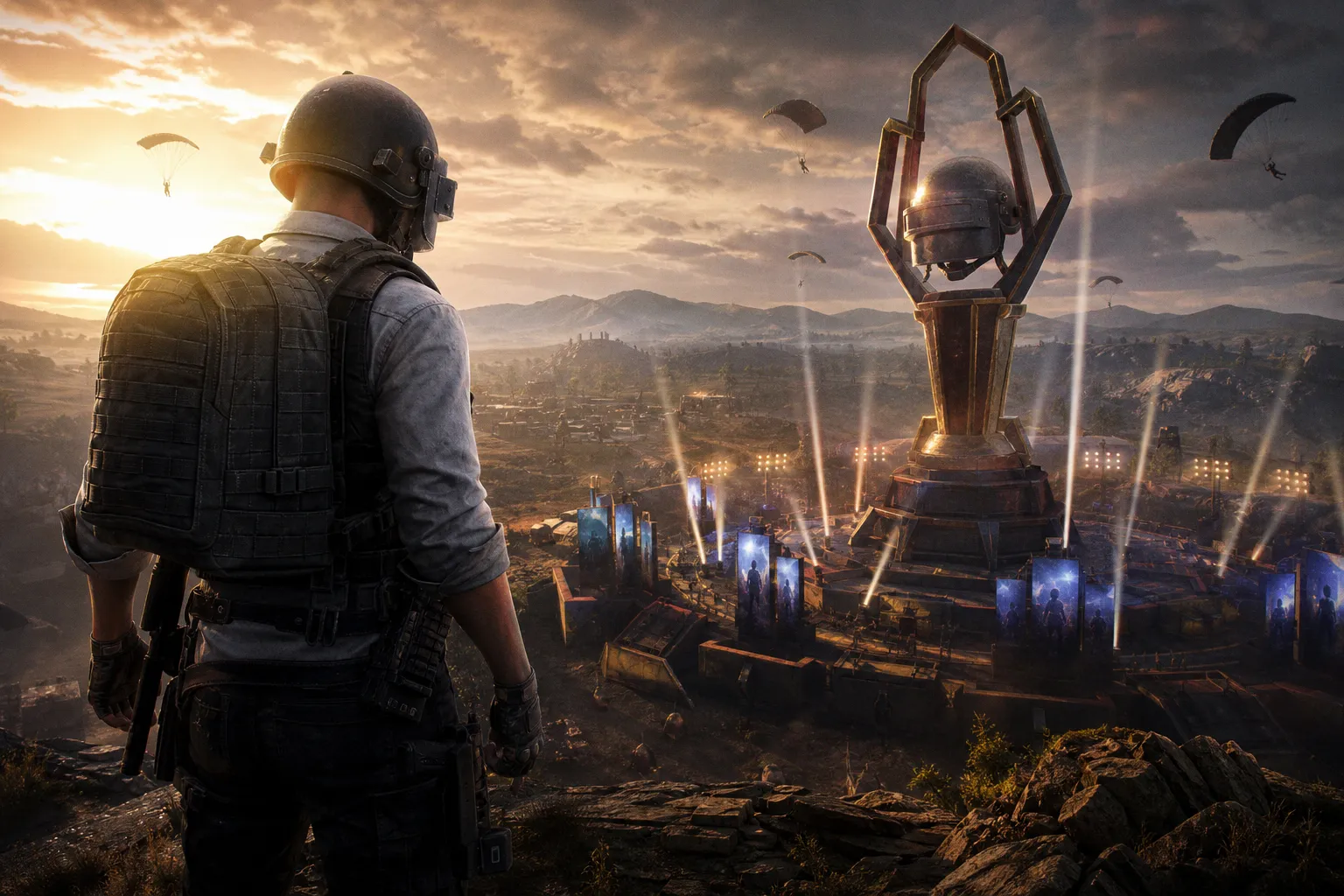
The headline signal matters more than the missing headline numbers for now: KRAFTON is continuing to build a competitive ecosystem around repeatable tentpole events, not just isolated tournament bursts.
For teams, the announcement is a reason to prepare—but not a reason to start selling a fantasy. Dates, format, venue and prize-pool details are referenced in the report’s coverage, yet the available information does not provide the specifics. Until KRAFTON publishes the full rulebook and schedule, any roster move or bootcamp plan built around assumed slots, qualification paths or LAN timelines is simply unmanaged risk.
Two events, one ecosystem test
BMSD and BMIC are not interchangeable brands. Their return under the 2026 banner suggests KRAFTON India still sees value in maintaining multiple competitive peaks for BGMI rather than forcing every organisation into a single all-or-nothing circuit.
That is strategically sound. A broader event stack can create more inventory for broadcast, sponsors and creators, while giving teams additional chances to demonstrate ROI on player salaries and staff. Conversely, more events only improve the ecosystem if qualification remains credible and the calendar does not turn into a burn-rate contest for organisations with thin operating margins.
The competitive takeaway is straightforward: teams should use this period to tighten fundamentals—scrim discipline, role clarity and review systems—rather than chase speculative transfers. Tournament announcements create attention; formats decide who can monetise it.
NAYE KHILADI keeps the pipeline active
The wider BGMI circuit is not standing still. NODWIN Gaming has announced the semifinals of BGMI: NAYE KHILADI, powered by KRAFTON India Esports. The top 32 teams are competing across four groups from July 18 to 21 for a share of an INR 10 lakh prize pool.
That is the more immediate proving ground for unsigned players and lower-tier line-ups. In India’s mobile scene, grassroots competition is often presented as a feel-good story; in business terms, it is also a talent-acquisition market. A strong showing gives players evidence they can perform under structured competition, while organisations get a cheaper scouting funnel than gambling on loud social-media reputations.
The prize pool itself is useful, but it should not be mistaken for a sustainable team business model. One tournament cheque does not cover a year of salaries, devices, travel, management and content production. Decision-makers assessing esports exposure need the same discipline used to filter stocks using EV/EBITDA versus P/E screeners: look beyond the exciting headline and test the underlying economics.
The details now become the real story
KRAFTON’s next release should be judged on execution rather than announcement value. The key variables will be the competitive format, the path from open competition to top-tier stages, the venue plan and whether the prize pool supports the production ambition implied by two major properties.
For players, the near-term move is boring but profitable: keep results documented, build stable communication and avoid rebuilding a roster around rumours. For organisations, the question is whether BMSD and BMIC 2026 offer enough predictable competitive inventory to justify sustained investment.
The announcement resets the conversation. The rulebook, calendar and commercial structure will determine whether it resets the market.