S8UL announces participation across 13 titles at Esports World Cup 2026
S8UL has announced it will participate across 13 titles at the Esports World Cup 2026, according to InsideSport. For India’s mobile esports market, that is not just a roster-flex headline — it is a capital allocation signal.
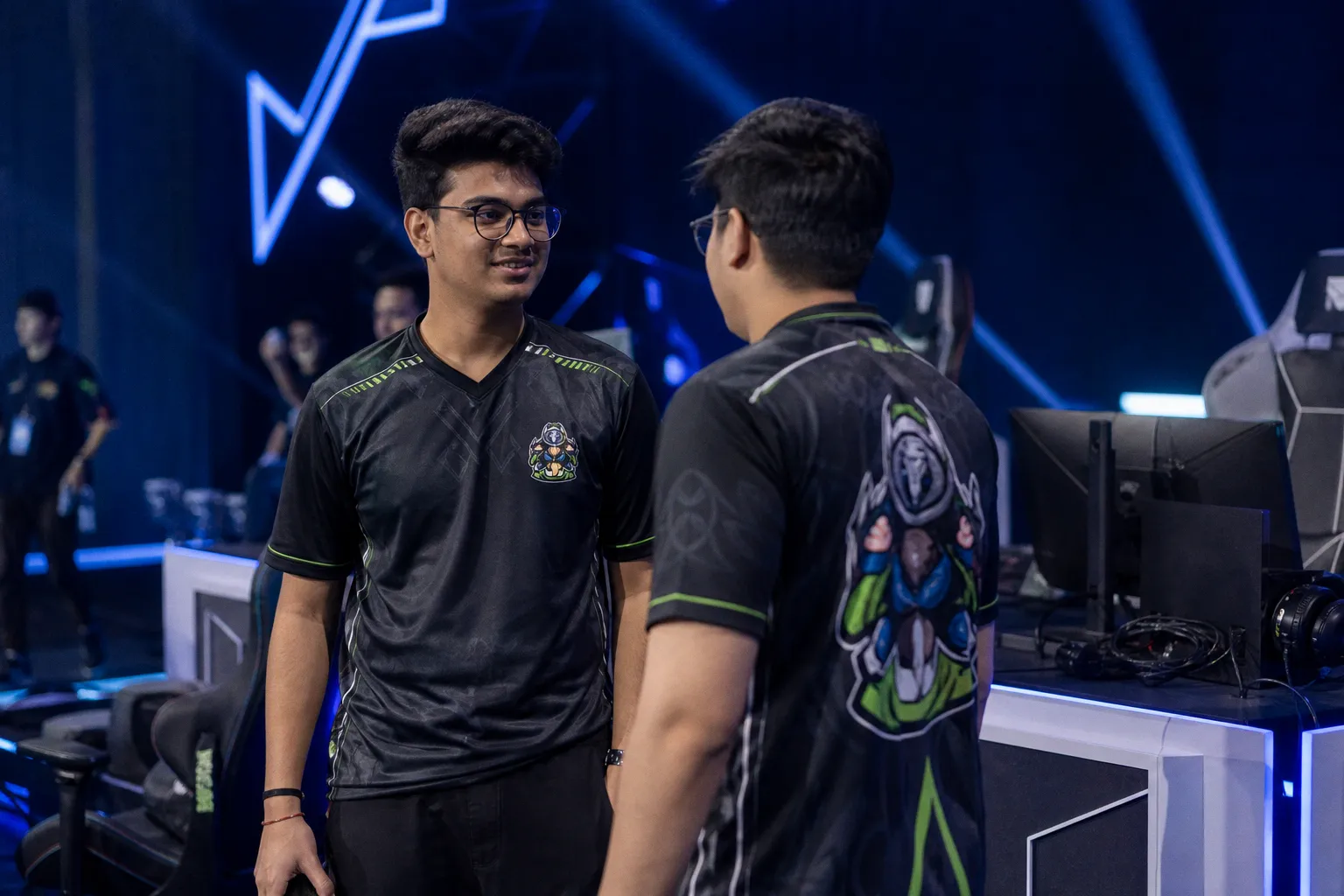
S8UL is betting on scale, not a single-title spike
The confirmed detail is simple: S8UL has announced participation across 13 titles at the Esports World Cup 2026. The missing detail is equally important: the available source snippet does not list the full title mix, player lineups, qualification routes, or commercial terms.
That matters because multi-title expansion is where esports organisations either build durable ecosystems or quietly leak money. In India, where mobile-first viewership can move fast but monetisation still needs structure, S8UL’s move reads like a bid to occupy more lanes before rivals can consolidate.
However, scale is not automatically strength. Every additional title adds scouting load, coaching demand, travel planning, content obligations and performance risk. If the organisation converts this into sponsor inventory, fan touchpoints and international visibility, the ROI case improves. If it becomes a badge-counting exercise, the burn rate will do the talking.
EWC 2026 is already pulling India deeper into the global calendar
The wider EWC 2026 pipeline is not theoretical. BLAST.tv reported that the “India Rising: Road to EWC” festival in Mumbai concluded with Dutch Grandmaster Benjamin Bok securing a spot in the Esports World Cup 2026 chess competition.
That detail is useful because it shows the World Cup structure is already creating competitive touchpoints in India, even outside the usual mobile shooter conversation. For teams, creators and tournament operators here, this is the ecosystem signal: EWC is not just a distant LAN spectacle; it is becoming a calendar anchor with local activation around it.
For S8UL, entering across 13 titles positions the organisation to ride that gravity. But the strategic question is less glamorous: can one brand manage competitive seriousness across such a spread without diluting focus? In traditional markets, diversification protects against volatility. In esports, it can also expose weak unit economics very quickly — a dynamic not far removed from how investor sentiment can shift around a central-bank rate hike fight when capital gets more expensive.
Mobile titles keep shifting under the teams’ feet
The surrounding mobile landscape is moving as well. Esports.net reported that VALORANT Mobile has a new World Cup bundle, framing it as a move that caught attention from PC players. Indiatimes reported that Rainbow Six Mobile’s 2.2 Chain Reaction update could bring Fuze, a Ping Wheel and fairer Ranked mechanics.
Those are not confirmed as part of S8UL’s 13-title plan in the available evidence, so they should not be treated as such. But they do show the broader pressure on Indian organisations: mobile games are not static assets. Updates, ranked changes, monetisation beats and World Cup-linked cosmetics can all reshape player interest and training priorities before a team even reaches the server.
For players and coaches, the practical takeaway is cold but useful: prepare for volatility. A title’s competitive value can rise or fall with one update cycle, one tournament pathway, or one publisher push. For orgs, the sober forecast is that S8UL’s 13-title announcement raises the ceiling for India’s presence at EWC 2026 — but it also raises the cost of being wrong.