Compare Loco and Rooter monetization for Indian streamers
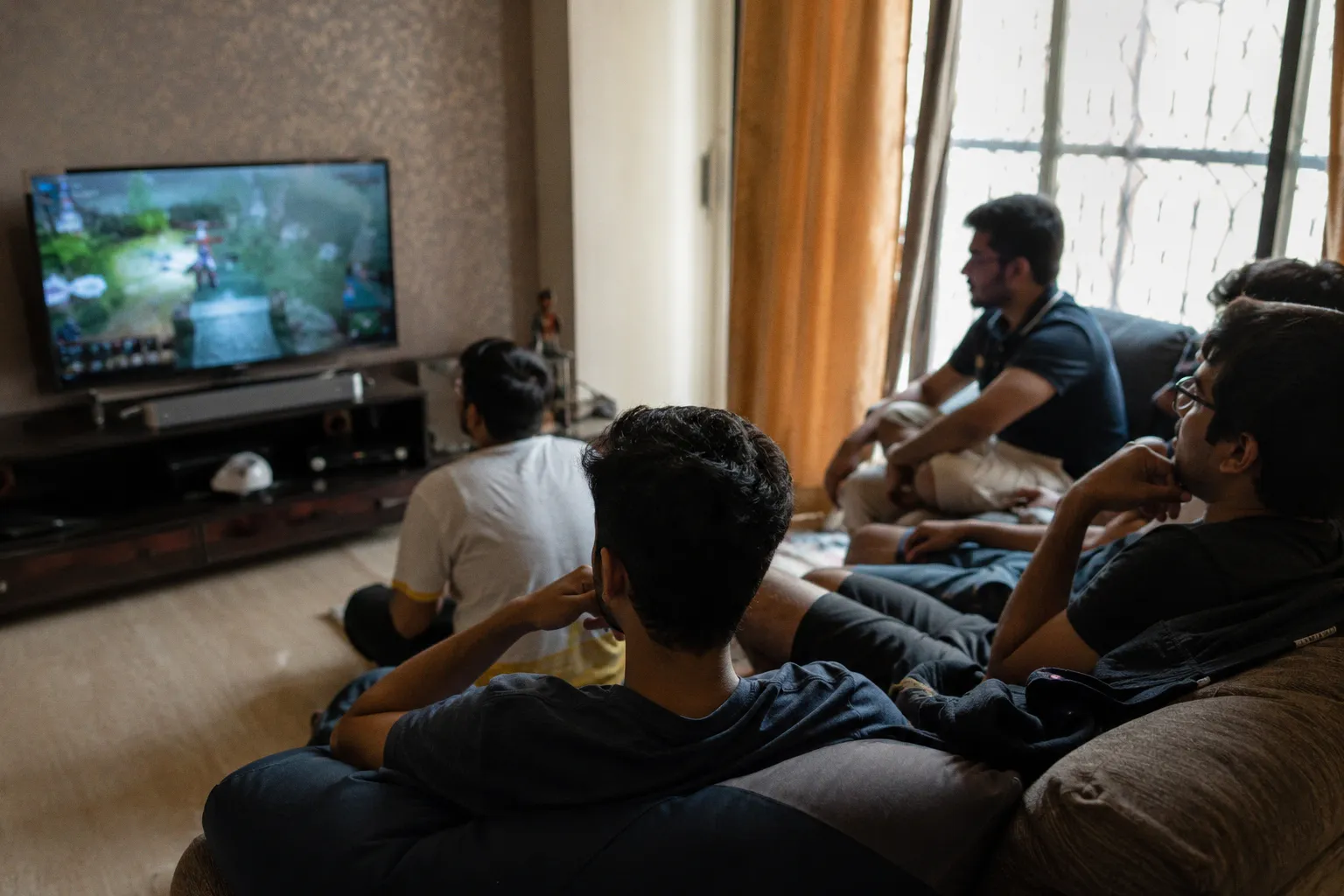
A nineteen-year-old creator sits in a dimly lit room in Noida, the gentle hum of a cooling pad the only sound breaking the silence of a 3:00 AM comedown after a grueling six-hour Battlegrounds Mobile India (BGMI) stream.
Understanding these financial ecosystems requires looking past the flashy marketing banners and diving straight into the mechanics of virtual wallets, retainer contracts, and the heavy toll of platform commissions. It is a world where every viewer's cheer has a precise rupee value, and every platform cut shapes the fragile career of India's next esports hope.
---
The Evolution of Creator Economy: Loco and Rooter's Strategic Shift
To understand where these platforms stand today, one must trace the massive wave of capital that flooded the Indian gaming scene. Back in 2022, the ecosystem felt like an unstoppable gold rush. Loco secured a monumental $42 million Series A funding round, while Rooter aggressively expanded its footprint with a $16 million round of its own. These injections of capital were not just corporate victories; they were lifelines that promised to build a sustainable ecosystem for thousands of young players who had transitioned from casual gaming to full-time streaming during the pandemic years.
During this period of rapid transition, both platforms realized that relying solely on traditional, ad-supported streaming would not sustain the sheer volume of creators entering the market. They began shifting focus toward social gaming, community features, and direct creator-to-fan monetization. For the kid streaming from a tier-3 town in Bihar, this shift meant that their revenue was no longer bound to the whims of corporate advertisers who rarely understood the appeal of mobile esports. Instead, their income became directly tied to the loyalty of their community, transforming viewers from passive spectators into active financial patrons.
What followed was a deliberate restructuring of how platforms thought about value creation. Loco leaned into building a polished, gaming-first user experience — investing heavily in low-latency streaming infrastructure and tournament broadcasts that mirrored the professionalism of traditional sports coverage. Rooter, meanwhile, started weaving fantasy sports mechanics and broader entertainment verticals into its core product, positioning itself not just as a streaming destination but as a comprehensive sports-engagement platform. Both strategies were bets on different definitions of what "monetization" means when your audience is predominantly mobile-first, often accessing streams over patchy 4G connections from small towns across Uttar Pradesh, Maharashtra, and West Bengal.
This divergence in strategy is critical for any creator trying to decide where to invest their time. The platform a streamer chooses is not just a hosting service; it is a business partner that dictates the ceiling and floor of their earning potential. Understanding the philosophical difference between Loco's gaming-purist approach and Rooter's diversified engagement model is the first step toward making an informed decision.
---
Virtual Currency Mechanics: Comparing Gold and Rooter Diamonds
At the heart of both platforms lies a virtual currency system designed to gamify the act of supporting a creator. Loco utilizes its "Gold" system, a virtual currency that viewers purchase with real money to buy digital gifts, stickers, and cheers for their favorite streamers. Rooter counterbalances this with a similar dual-currency system of Rooter Coins and Diamonds, which serves a comparable purpose but integrates differently into the platform's broader ecosystem of rewards.
For creators trying to проверить compare loco and rooter monetization for indian streamers | как проверить compare loco and rooter monetization for indian streamers esports mobile avenues, the difference between these two systems lies in how effectively these virtual assets translate into real-world rupees. The conversion process is rarely straightforward, and it is here that many young creators experience their first taste of platform economics.
| Monetization Parameter | Loco | Rooter |
|---|---|---|
| Primary Virtual Currency | Loco Gold | Rooter Coins / Diamonds |
| Viewer Acquisition Method | Direct purchase, platform events | Direct purchase, app engagement tasks |
| Platform Commission Split | Typically 30% to 50% (industry standard) | Typically 30% to 50% (industry standard) |
| Monetization Focus | Virtual gifting, Creator Programs | Virtual gifting, Fantasy Sports, Ads |
| Payout Reliability | Structured monthly cycles | Tier-based performance payouts |
The commission splits are where the pressure of the business model becomes tangible. While both platforms generally align with the industry standard of taking a 30% to 50% cut of virtual transactions, the actual take-home pay for a creator can vary wildly based on their tier, their monthly volume, and the specific terms of their agreement. A mid-tier streamer averaging 200 to 500 concurrent viewers might find that their effective rate per gift differs significantly between the two platforms, not because the headline commission percentage changes, but because the ecosystem of promotional events, bonus multipliers, and seasonal campaigns creates a layered revenue landscape that rewards different types of content creation.
Loco's Gold system tends to reward consistency and community engagement — the platform runs periodic events where gifting during certain hours or on certain streams triggers bonus multipliers for viewers, which in turn drives higher overall gift volumes. Rooter's Diamonds, on the other hand, are sometimes distributed through non-purchase pathways like daily check-ins and app engagement tasks, which means a portion of the gifts a creator receives came to the viewer at zero cost. This distinction matters: the psychological threshold for sending a gift you earned for free is lower, which can inflate a creator's Diamond count without proportionally increasing their cash-out value.
"You see the virtual gifts pouring in during a clutch moment, and the screen lights up with gold," a semi-professional BGMI streamer from Pune recently shared with me. "But when you look at your dashboard at the end of the month, you realize how much of that energy is eaten up by platform cuts and processing fees. It teaches you to value stability over the occasional big tip."
This sentiment captures a universal truth in the virtual currency economy: raw gift counts are a vanity metric. The only number that matters is what arrives in the bank account after every layer of fees has been peeled away. Creators who learn this lesson early — often after their first disappointing payout cycle — tend to shift their strategy toward securing platform retainers and brand deals rather than relying on the unpredictable generosity of live-stream tipping.
---
Beyond Tipping: The Role of Creator Programs and Exclusivity Retainers
For streamers who reach a certain level of consistent viewership, the volatility of virtual gifting becomes secondary to the promise of a steady income. Both Loco and Rooter introduced structured Creator Programs that offer fixed monthly retainers or performance-based incentives. These programs are the holy grail for young players, offering a sense of security in an otherwise chaotic industry.
These contracts, however, are not free money; they are built on strict metrics. Platforms set demanding thresholds for Concurrent Viewership (CCV), total hours streamed, and community engagement.
* The CCV Trap: Streamers must maintain a specific average of live viewers. A sudden drop in viewership due to a change in the game's meta or a brief illness can drop a creator into a lower payout tier. For a streamer whose income depends on hitting a CCV threshold of, say, 300 viewers, a week of low numbers during exam season or a festival break can mean a significantly reduced paycheck for the entire month.
* Exclusivity Demands: Top-tier retainers often require creators to stream exclusively on one platform, cutting them off from building a broader audience on YouTube. This trade-off is agonizing for creators who have spent years cultivating a subscriber base on YouTube, only to be told that accessing the higher retainer tier means abandoning that audience entirely.
* The Grind Requirement: Meeting the minimum monthly streaming hours (often upwards of 80 to 100 hours) leaves little time for professional training, tournament play, or mental recovery. Many streamers describe this schedule as physically punishing, particularly when combined with the cognitive demands of maintaining engaging commentary for hours on end.
This constant pressure to perform creates a delicate balancing act. Streamers are forced to choose between the immediate financial safety of an exclusive retainer and the long-term growth potential of keeping their content open to the wider, multi-platform internet.
The structural difference between the two platforms' programs is worth noting. Loco's creator tiers have historically been more tightly integrated with its esports tournament ecosystem — streamers who broadcast competitive events or participate in platform-organized leagues often receive priority consideration for higher retainer brackets. Rooter's program, by contrast, rewards cross-vertical engagement: a streamer who regularly creates content around cricket, football, and fantasy sports alongside their primary gaming content may find themselves better positioned within Rooter's tier structure than a pure esports broadcaster.
A creator's decision to sign an exclusivity deal is not merely a business choice — it is an identity declaration. Choosing one platform over another signals to the audience, to sponsors, and to the broader industry what kind of creator you intend to be.
The reality for most streamers, though, is that they never reach the threshold where these program details matter. The vast majority of creators on both platforms earn modest sums from virtual gifting, never qualifying for structured retainers. For them, the real question is not "which program is better?" but "which platform gives me the best shot at growing my audience to the point where these programs become relevant?"
---
Diversification Tactics: How Rooter's Fantasy Sports Integration Changes the Game
As the market matured, Rooter took a distinct path to diversify its revenue streams and offer creators alternative ways to earn. By integrating fantasy sports and real-money gaming elements directly into its ecosystem, Rooter tapped into a massive, highly lucrative segment of the Indian gaming market. The overlap between esports audiences and fantasy sports enthusiasts in India is substantial — both demographics skew young, male, mobile-first, and are deeply invested in competitive outcomes.
This integration allows streamers to leverage their community's competitive spirit. Instead of simply asking for tips, creators can promote fantasy leagues, drive user registrations, and participate in brand campaigns tied to major sporting events like the Indian Premier League (IPL). This diversification helps buffer creators against the seasonal dips in esports viewership that occur when major titles go through content droughts or when tournament schedules thin out between competitive seasons.
A streamer who might otherwise see their earnings crater during the post-tournament lull can pivot to creating IPL-themed content, running community fantasy leagues, and earning referral commissions in the process. This kind of revenue agility is a genuine structural advantage that Rooter offers over a purely gaming-focused platform.
However, this path introduces its own set of challenges. The regulatory environment surrounding real-money gaming in India is notoriously complex and shifting under the pressure of evolving government policy. The intersection of gaming, entertainment, and digital transactions continues to face scrutiny, with periodic policy changes and judicial interventions creating uncertainty for platforms and creators alike who depend on these revenue streams. Streamers who rely heavily on these integrated elements must remain agile, knowing that a sudden policy change could alter their primary revenue stream overnight.
The GST implications alone are enough to keep a creator up at night. The Indian government's decision to levy a 28% GST on the full face value of bets placed on online gaming platforms sent shockwaves through the industry. While Rooter's fantasy sports offerings may operate under different regulatory classifications depending on the specific product structure, the broader atmosphere of regulatory tightening means that creators building their income strategy around these features are accepting a degree of policy risk that pure gaming streamers on Loco may not face.
This is not to say that Rooter's approach is reckless — far from it. The platform has shown considerable adaptability in adjusting its product offerings to stay within regulatory frameworks. But for a creator weighing their options, understanding that one platform's monetization stack includes a category with elevated regulatory exposure is a material factor in the decision-making process.
---
Navigating Platform Commissions and Revenue Share Realities
At the end of the day, a streamer's survival depends on their ability to read the fine print. When a viewer buys a pack of virtual coins, that money passes through app store fees (Google Play or Apple App Store take their own 15% to 30% cut), platform commissions, and finally, local tax deductions (TDS) before it ever reaches the creator's bank account.
Here is the simplified flow of how a ₹100 gift from a viewer trickles down:
1. App Store Deduction (15%-30%): Google and Apple take their cut before the platform sees a single rupee. This is a non-negotiable gatekeeper fee.
2. Platform Commission (30%-50% of the remainder): Loco or Rooter takes their operational margin, which funds infrastructure, moderation, and platform development.
3. Tax Withholding (TDS): The Indian government requires tax deduction at source on creator earnings, further reducing the net payout.
4. Creator Receives (~₹35-₹50 out of every ₹100): After all deductions, the creator is left with roughly a third to half of the original viewer spend.
This stark arithmetic is why many creators are moving away from relying solely on virtual gifting. They are using the reach they build on Loco or Rooter to secure independent brand sponsorships, tournament organizer partnerships, and merchandise sales. The platform is no longer the destination; it is the launchpad.
The smartest streamers treat their platform dashboard as just one revenue line in a diversified portfolio. They negotiate directly with peripheral brands — gaming chair companies, mobile accessory makers, energy drink labels — using their platform metrics as proof of reach. In this model, the platform's commission on virtual gifts matters less, because the real money is coming from outside the platform's walled garden.
Both Loco and Rooter have acknowledged this reality in different ways. Loco has begun facilitating brand partnerships within its creator program, connecting streamers with sponsors and taking a facilitation cut. Rooter's integrated approach, where creators can participate in multiple verticals simultaneously, provides more surface area for brand collaborations across gaming, sports, and entertainment categories.
---
The Final Choice: Where to Place Your Trust
For the streamer standing at this digital crossroads, the choice between Loco and Rooter is rarely about which platform is objectively "better." It is about aligning a platform's strengths with a creator's personal career goals and tolerance for risk.
If a creator values a platform built entirely around the gaming community, where the user interface is optimized for high-quality esports broadcasts and the virtual "Gold" system is deeply integrated into the viewing experience, Loco presents a compelling case. Its historical focus on securing major funding to build a sustainable creator economy has created a polished environment for pure gaming content. The platform's tournament partnerships and esports-centric creator programs reward dedicated gamers who want their streaming career to stay tightly coupled to competitive play.
On the other hand, if a creator is looking to diversify their content, tap into the massive audience of fantasy sports enthusiasts, and explore broader monetization avenues beyond the standard gaming stream, Rooter's integrated model offers unique advantages. The ability to cross-promote fantasy leagues and participate in diverse brand campaigns can provide a crucial financial buffer in a volatile market.
Ultimately, the most resilient creators are those who do not let their worth be defined by a single platform's dashboard. They build deep, authentic connections with their audience, ensuring that whether they are streaming on Loco, Rooter, or any platform yet to emerge, their community will follow them. In the high-pressure world of Indian mobile esports, that loyalty is the only true currency that never depreciates.