Can Indian gaming reach the next level?
The Indian gaming market is projected to hit USD 17.83 billion by 2035 at a 15.62% CAGR, according to new industry estimates.
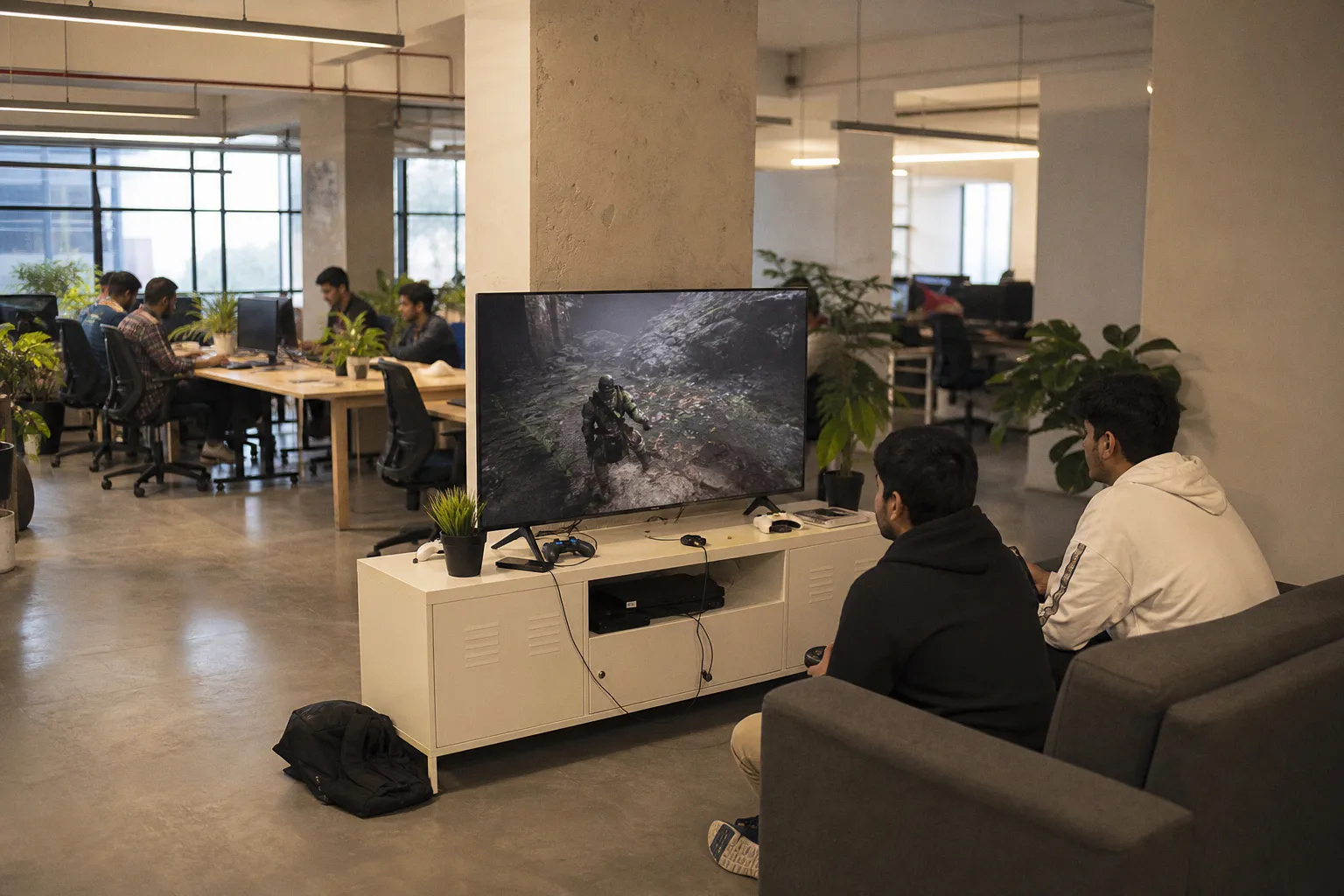
The $17.83 Billion Projection: Context Over Celebration
Market forecasts are cheap. A 15.62% CAGR sounds aggressive, but India's gaming base is enormous and still partially untapped — the growth rate reflects low penetration, not some sudden monetization miracle. The real question for anyone building teams, running tournaments, or monetizing content in this ecosystem isn't the topline number. It's how much of that projected spend actually flows into competitive infrastructure versus casual mobile titles that never produce a viable esports ecosystem. Historically, the gap between "gaming revenue" and "esports revenue" in India has been vast. That 2035 figure won't change the burn rate realities facing tournament organizers unless sponsorship and broadcast economics mature in parallel.
ARC's Play: Hardware as Market Entry
ARC's debut positions the company squarely in the affordable premium handheld segment — a bet that Indian consumers want dedicated gaming devices but aren't paying Western price points. For mobile esports specifically, this is worth tracking. The competitive scene has been built almost entirely on smartphones players already own. If ARC or similar entrants establish a meaningful installed base of handheld devices optimized for gaming, it could reshape what titles gain competitive traction and how LAN events are structured. Conversely, if the product lands in the same graveyard as every "affordable premium" gadget that couldn't scale distribution across Tier-2 and Tier-3 cities, it's just another press release.
What Actually Needs to Happen
The numbers on paper look compelling. But Indian gaming has been "about to reach the next level" for half a decade. What separates projection from reality is execution: infrastructure investment in internet connectivity at grassroots venues, brand partnerships that go beyond logo placements, and a talent pipeline that keeps top players from burning out or migrating to other markets. The ARC launch and the market forecast are data points, not proof of trajectory. The next 18 months — specifically how hardware adoption trends and tournament prize pools actually move — will tell us whether the ecosystem is building sustainable momentum or just rehearsing another cycle of hype.